What Is the Hardest Serve to Return in Pickleball?
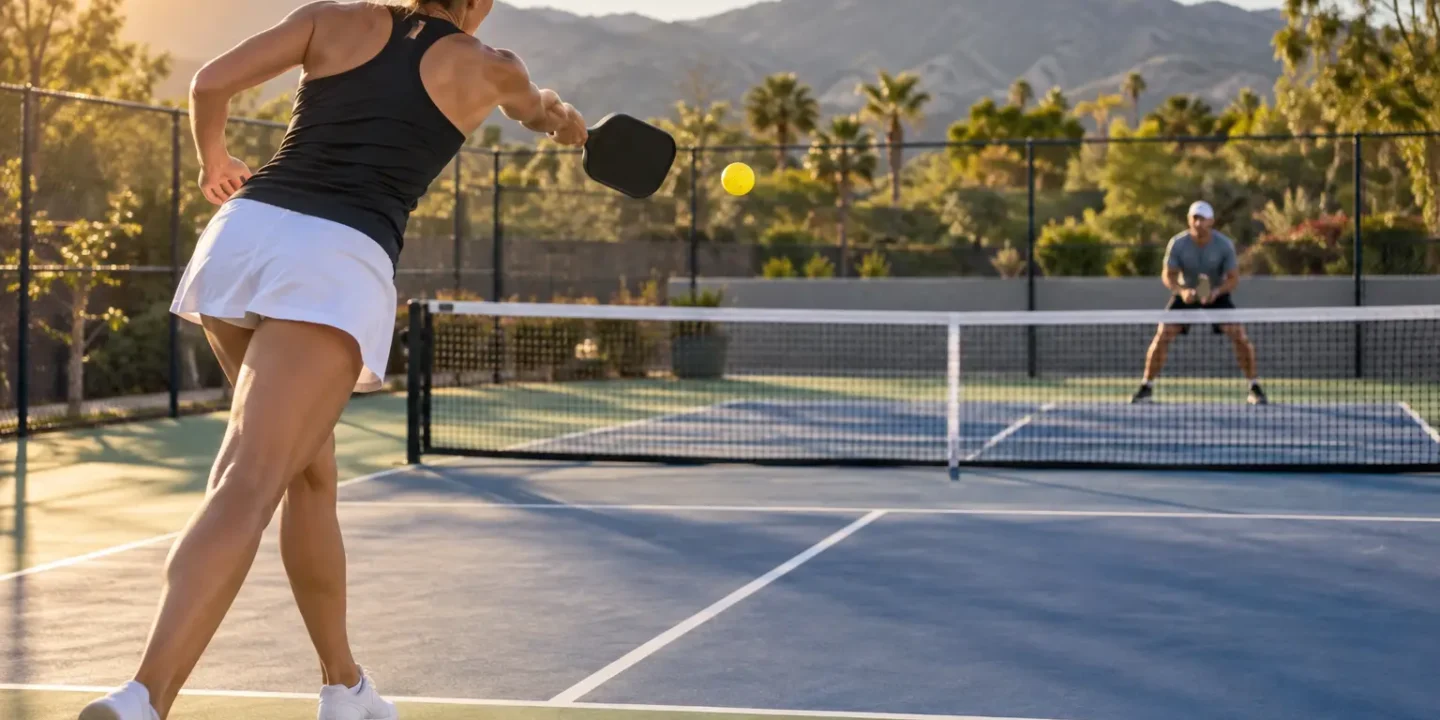
For most players, the hardest pickleball serve to return is a fast, deep topspin serve aimed at the backhand or body. It combines pace, depth, a jumping bounce, and an awkward contact point. No single serve is hardest for everyone, but this pattern creates the most common return problems.
The best serve is not simply the fastest. A serve becomes difficult when it pushes the receiver backward, limits their swing, and makes it harder to send a deep return while advancing toward the kitchen.
Why deep topspin is so effective
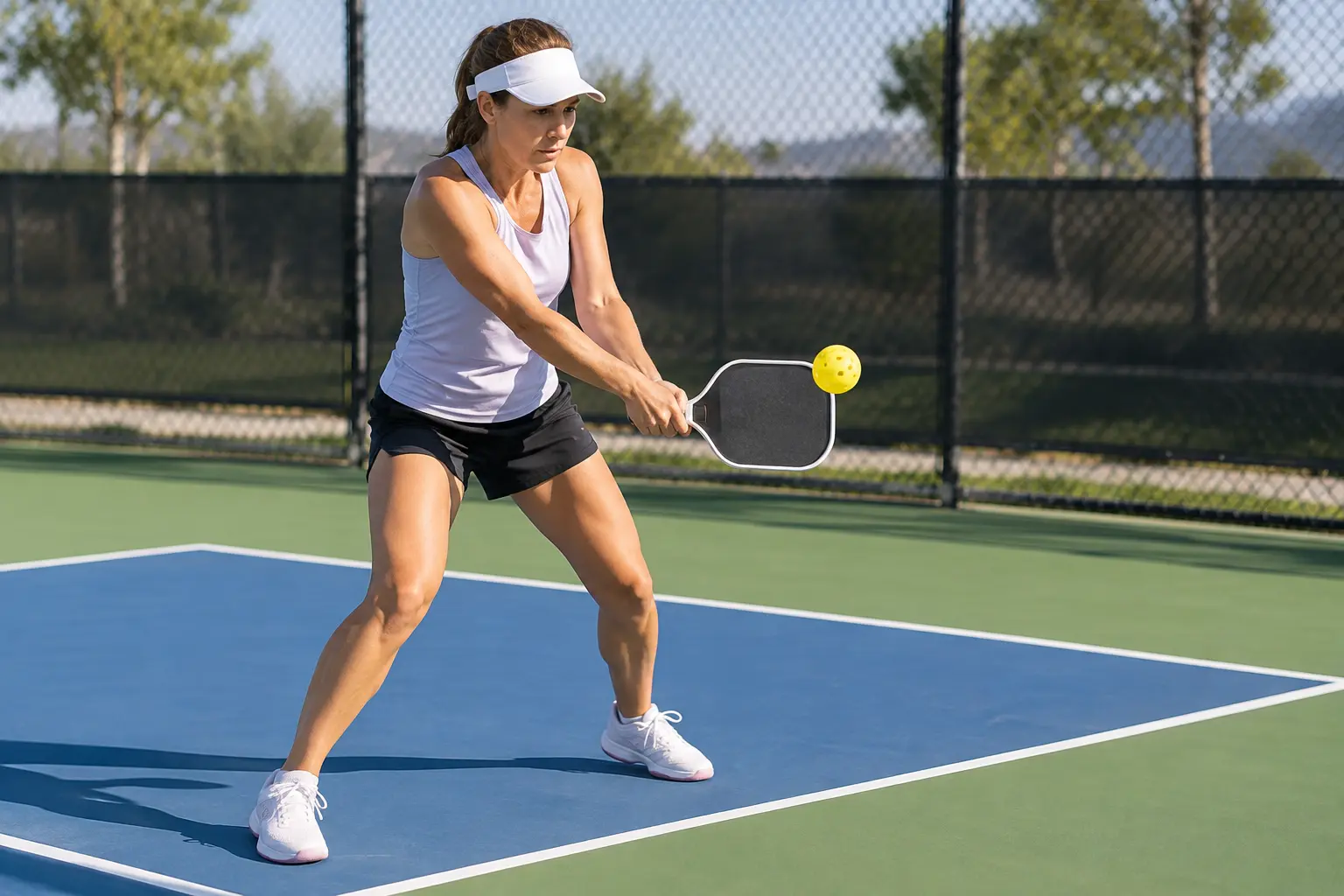
Topspin pulls the ball down into the court, allowing the server to swing faster with more net clearance. After the bounce, the ball tends to jump forward and upward. When it lands near the baseline, the receiver may be forced to back up or contact the ball above the preferred strike zone.
A deep returner also needs more time to reach the kitchen. That gives the serving team a better chance to attack the third shot.
The three toughest targets
1. Deep to the backhand
Many recreational players have less reach, power, and control on the backhand. A deep serve to that side can produce a short return or an error. It is especially effective when the receiver stands too close to the baseline.
2. Directly at the body
A body serve creates indecision. The receiver must quickly choose forehand or backhand while moving out of the ball’s path. The ideal target is often the paddle-side hip or elbow—the “jam” zone where neither stroke feels comfortable.
3. Wide near the sideline
A wide serve stretches the receiver off the court and can open the middle for the next shot. It carries more risk because the sideline reduces your margin, so use it as a variation rather than the default target.
Is a spin serve harder than a power serve?
It depends on the receiver. Heavy topspin can be tougher than raw speed because the bounce changes height and timing. Sidespin can pull a player off balance, but it is often less consistent for the server.
The most reliable difficult serve combines moderate-to-high pace with depth and controlled topspin. Placement forces the problem; spin magnifies it.
What about a lob serve?
A high, deep lob serve can trouble players who rush their preparation or dislike hitting from shoulder height. It also changes the receiver’s rhythm after several hard serves. However, a short lob serve gives an experienced player time to step in and attack the return.
How to hit a difficult but legal serve
- Build a repeatable motion. Accuracy matters more than maximum effort.
- Aim two or three feet inside the baseline. This produces depth without excessive risk.
- Brush low to high. Paddle speed and an upward path create topspin at contact.
- Target the weaker side. Observe the receiver during warm-up and early rallies.
- Mix locations. A predictable great serve becomes easier to handle.
Do not deliberately add spin during the ball’s release. Spin generated by the paddle at contact is legal; pre-spin manipulation is prohibited.
How to return the hardest serves
Start farther back
If a server consistently lands the ball deep, give yourself another step behind the baseline. Moving forward into the ball is easier than retreating during the bounce.
Use a compact swing
Pace already supplies energy. Shorten the backswing, keep the paddle stable, and direct the ball high and deep rather than attempting a return winner.
Read the paddle
A steep low-to-high path suggests topspin; a swing across the ball suggests sidespin. Watch contact closely and adjust your spacing before the bounce.
Return through the middle
The middle offers the largest target and reduces sharp angles for the serving team. In doubles, it may also create hesitation between opponents.
Finish the return before moving forward
Do not run through contact. Set your feet, strike in balance, then advance to the kitchen. A stable return is more valuable than gaining one extra step early.
Serve strategy by skill level
Beginners: prioritize a high percentage and deep placement. A serve that lands in repeatedly is already difficult.
Intermediate players: add controlled topspin and alternate between backhand and body targets.
Advanced players: disguise location, vary pace and height, and serve based on the returner’s court position.
Frequently asked questions
What is the fastest pickleball serve?
There is no single official speed that defines the hardest serve. A slightly slower serve landing near the baseline can be more effective than a faster ball that lands short.
Is a backhand serve harder to return?
It can create unusual sidespin and angles, but effectiveness depends on control. The serve must still satisfy the applicable service rules.
Where should I aim most often?
Deep to the receiver’s weaker side is the best default. Use the body serve to create indecision and the wide serve as a change-up.
Should I try to ace every serve?
No. Missed serves give away the opportunity to score. Think pressure, not perfection: depth, variation, and a strong first ball after the return win more points over time.
Bottom line
The hardest serve for most opponents is a deep topspin serve aimed at the backhand or body. Make it accurate first, then add pace and variation. A serve that consistently produces weak returns is more valuable than an occasional ace surrounded by faults.