Carbon fiber pickleball paddles: what the face actually does
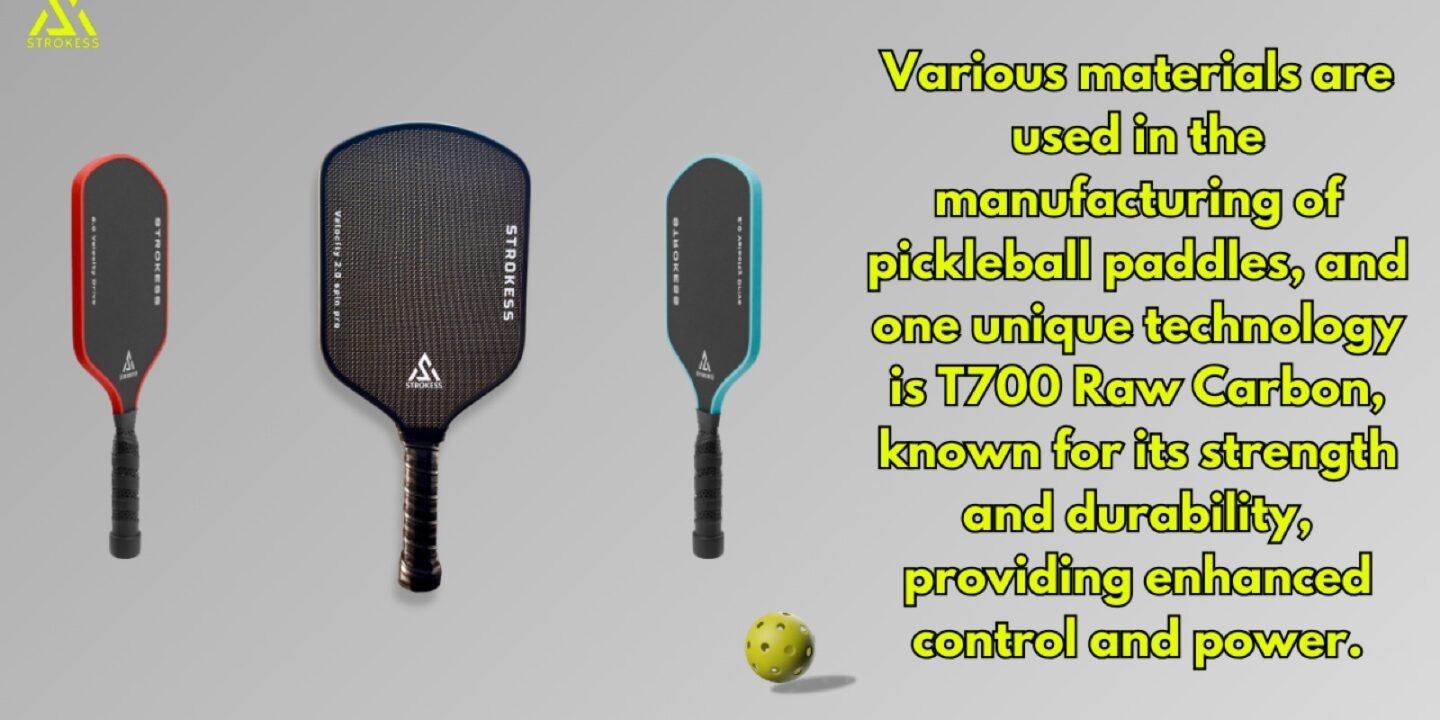
A raw carbon face is not painted. That dull, gritty finish is the whole point of it.
Photo: Strokess.S.S · CC0 · source

A carbon fiber pickleball paddle does one thing better than the alternatives, and it is not the thing most people buy it for. Carbon does not add power. It adds friction — and friction is what turns a swing into spin.
Disclosure: this page contains affiliate links to Amazon. If you buy through one we may earn a commission, at no extra cost to you. The commission is the same whichever product you choose, so it does not influence what we recommend.
That distinction matters because raw carbon paddles cost $120 to $250, and roughly half the players holding one would score more points with a $70 fiberglass paddle. This page explains what the face material actually changes, what the spec-sheet numbers mean, and how to tell whether you are the player who benefits.
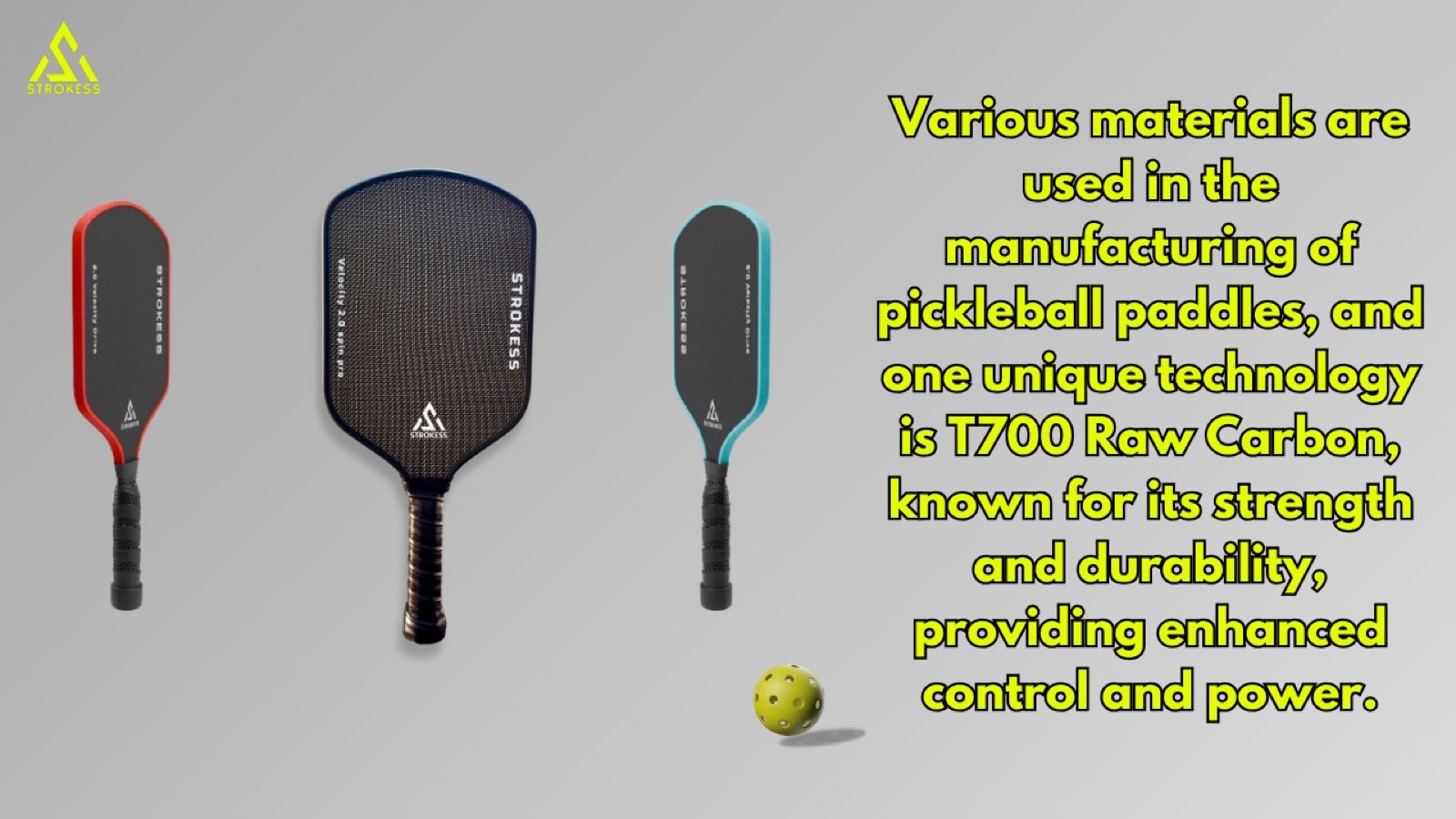
What a carbon face actually does
When you brush up the back of the ball, the ball needs to grip the face for a few thousandths of a second before it leaves. The longer it grips, the more rotation it picks up. A raw carbon face has a slightly rough, unpainted surface, so it holds the ball marginally longer than a smooth, painted one. That is the whole mechanism.
Carbon is also softer in feel than fiberglass, despite being the stiffer material in raw form. Paddle faces are thin, and a carbon face flexes into the ball and lets the core do more of the work. The practical result is that the ball sits on the face a fraction longer, which is why carbon paddles are described as control paddles and why resets and third shot drops feel easier with one.
Carbon does not make the ball go faster. It makes the ball go where you aimed it, with more shape on it.
Raw carbon versus painted carbon
This is the single most useful thing to check before you buy, and it takes one look. Raw carbon is unpainted. The dull grey weave you see is the peel-ply texture left over from manufacturing, and that texture is the friction you are paying for.
Painted carbon has a coat over the top. The coat fills in the texture, and the spin advantage largely disappears — a painted carbon paddle grips about as well as fiberglass. Plenty of paddles are sold as “carbon fiber” while being glossy and smooth. They are not lying about the material; they are quiet about the finish.
- Raw carbon: matte, grey, slightly rough to a fingernail. Grips the ball. Grit wears down over time.
- Painted or coated carbon: glossy, coloured, smooth. Looks better for longer. Spins like fiberglass.
- Quick test: drag a fingernail across the face. Raw carbon catches. A coated face slides.
Carbon, fiberglass and composite compared
Face material is one of four specs that decide how a paddle plays, alongside core thickness, shape and weight. Here is what each face gives you in isolation, holding everything else equal.
| Face | Feel | Spin | Power | Best for |
|---|---|---|---|---|
| Raw carbon fiber | Soft, muted | Highest | Moderate | Spin, resets, control play |
| Kevlar / aramid blend | Soft, very muted | High | Moderate | Touch players who want an even deader face |
| Fiberglass | Stiff, lively | Lower | Highest | Beginners, players who want free pace |
| Composite / hybrid | In between | Moderate | Moderate | All-court players, budget builds |
Note the trade in the power column. Fiberglass returns more of your swing energy as ball speed, which is genuinely useful when you are new and your swing is slow. Carbon absorbs a little more of it. That is a feature when you can already generate pace and a bug when you cannot.
What T700 means, and why it barely matters
T700 is a Toray carbon fiber grade. It describes the tensile strength of the raw fibre — roughly 4,900 MPa — long before it becomes a paddle face. T300 is a lower grade; T1100 is higher and rare in pickleball.
Here is the problem with using it as a buying signal: a face is a thin sheet bonded to a core, and at that thickness the difference between T300 and T700 is almost undetectable in play. Meanwhile almost every paddle in the $130 to $200 band now advertises T700, so it no longer separates anything. Treat it as table stakes, not a differentiator.
The specs that genuinely change how a paddle plays, in rough order of importance, are covered in the paddle guide: swing weight, core thickness, shape and grip size.
Thermoformed carbon paddles
Thermoforming is a construction method, not a face material, but it arrives bundled with raw carbon often enough to confuse the two. A thermoformed paddle is pressed as a single unit with foam injected around the perimeter, instead of having the edge foam glued in afterwards.
What that changes: a stiffer, more connected feel, a bigger sweet spot toward the edges, and usually more power and a higher swing weight. What it costs: thermoformed paddles are heavier through the head, which is tiring at the kitchen line, and early generations had a reputation for core crushing — the walls softening after months of hard play. Current builds are markedly better, but it is still worth checking the warranty length.
How long the grit lasts
Raw carbon wears out. Nobody selling it leads with that, so plan for it.
- Three or four sessions a week, outdoors: a clear drop in bite by around nine to twelve months.
- Twice a week, mostly indoors: comfortably eighteen months or more.
- What wear feels like: not a sudden failure. Your slices start floating and your topspin drives sail a little longer than they used to.
You can slow it down. Do not scrape the face on the court to pick up balls, wipe it with a slightly damp cloth rather than dry-rubbing grit into it, and keep it out of a hot car — heat is harder on the epoxy than play is.
Who should buy carbon, and who should not
Buy raw carbon if
- You already brush up the back of the ball on drives and serves, rather than hitting flat.
- You are 3.5 or above and losing points on resets that pop up rather than on pace.
- You want the ball to drop inside the baseline when you swing hard, which is spin doing the work.
- You play enough that a face wearing out in a year is an acceptable running cost.
Skip it if
- You are still learning to make contact consistently — spin you cannot produce is spin you cannot use.
- You want more pace with the same swing. That is fiberglass, and it costs less.
- You play once a week socially. A $70 composite paddle will not be what limits you.
- The paddle you are eyeing is glossy. Whatever you are paying the carbon premium for, you are not getting it.
If you are still on your first paddle, start with what to buy first — the honest answer for most new players is a 16mm standard-shape paddle well under $120, carbon or not.
Where to look
You can browse raw carbon fiber paddles on Amazon. Check the face is matte and unpainted before you buy — that is the spec you are paying for.
Common questions
Is a carbon fiber pickleball paddle worth it?
If you hit with spin, yes. A raw carbon face grips the ball long enough to bend a topspin drive down into the court or to cut an approach short, and it is more forgiving on off-centre hits than fiberglass. If you play flat, block-and-reset pickleball and never brush up the back of the ball, you are paying roughly $60 to $100 for friction you do not use.
What does T700 mean on a pickleball paddle?
T700 is a Toray carbon fiber grade, not a paddle feature. It describes the raw fibre's tensile strength, around 4,900 MPa, before it is ever woven into a face. Almost every mid-priced raw carbon paddle now advertises T700, so it tells you very little about how a paddle plays. Core thickness, shape and swing weight tell you far more.
What is the difference between raw carbon and painted carbon?
Raw carbon is left unpainted, so the peel-ply texture from manufacturing stays exposed and creates friction. Painted carbon has a clear or coloured coat over it, which fills that texture in and drops the spin advantage close to fiberglass levels. If the face is glossy, it is not doing what raw carbon is sold for.
How long does the grit on a carbon paddle last?
Expect a noticeable drop after nine to twelve months of playing three or four times a week, and sooner if you play mostly outdoors on rough courts. The grit does not fall off in a day; spin bleeds away gradually, which is why most players do not notice until they pick up a new paddle and the ball suddenly bites again.
Is carbon fiber better than fiberglass for pickleball?
Not better, different. Fiberglass is stiffer and gives more pop, so the ball comes off faster for the same swing. Carbon is softer and more textured, so you get more spin and a more predictable reset. Beginners often score more points with fiberglass; players who have learned to control pace usually prefer carbon.