Pickleball accessories: what is worth buying and what is not
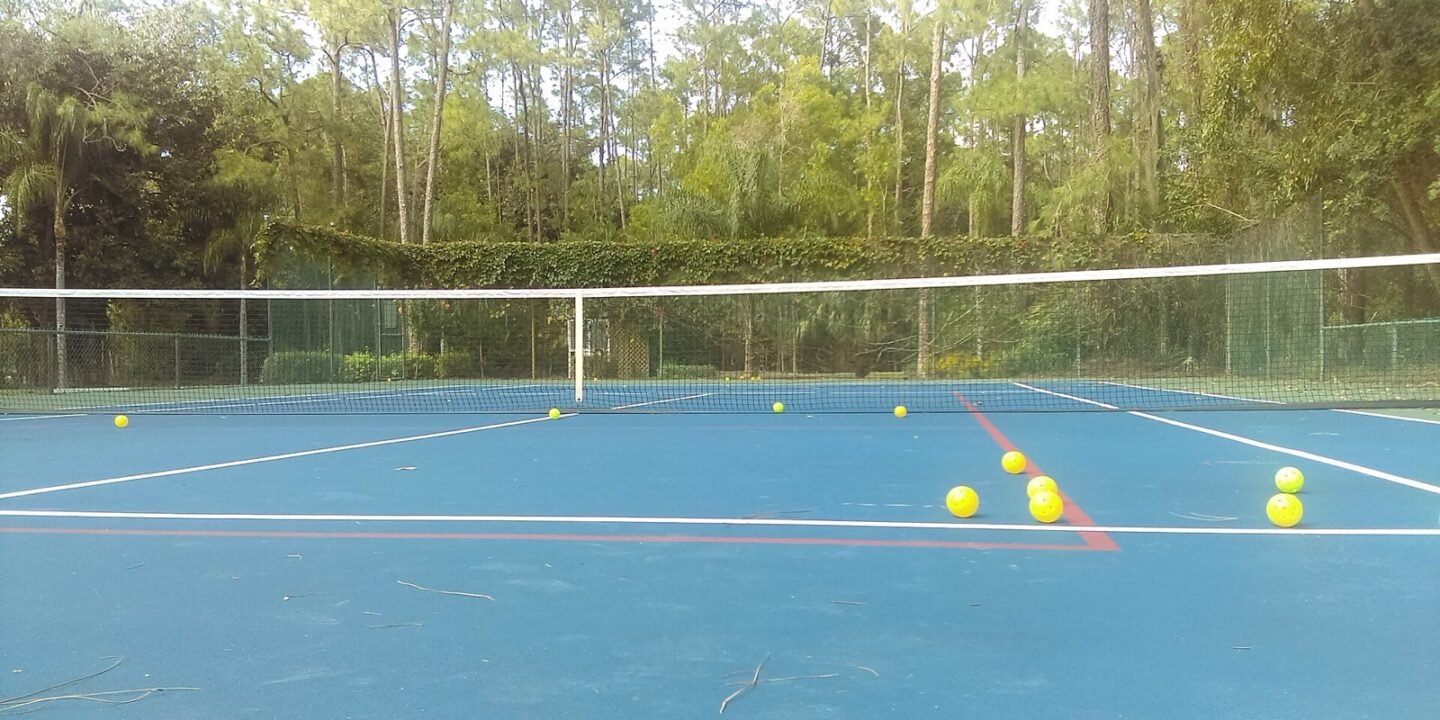
Balls, a paddle, shoes that grip. Everything after that is optional, and some of it is worse than optional.
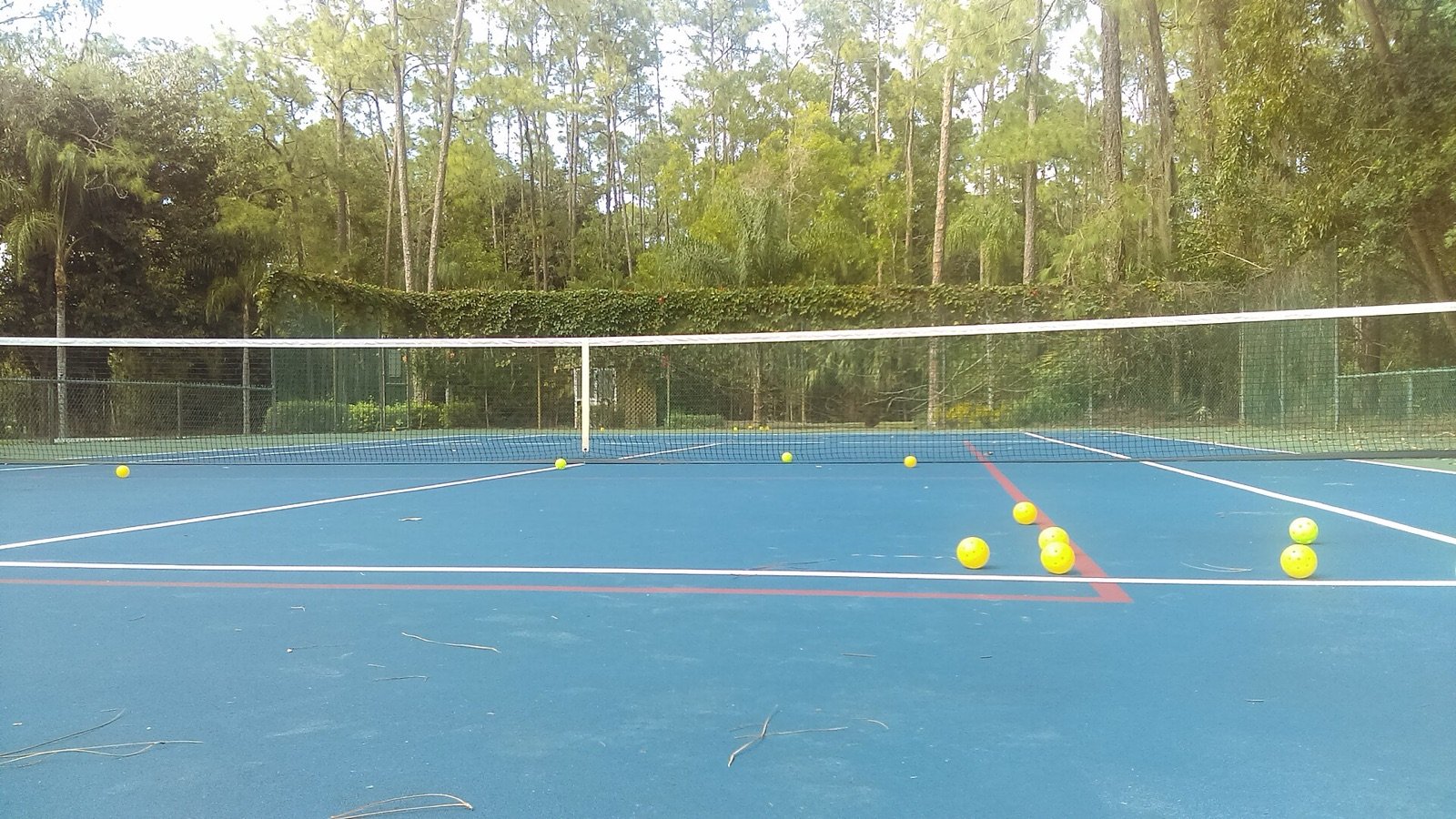
Photo: Stephen James Hall · CC0 · source

Pickleball accessories divide into a short list you genuinely need and a long tail sold to people who already own them. This page sorts the market into three groups: what changes your day on court, what is nice once you play regularly, and what mostly sits in a bag.
The ordering principle is simple — how often you would notice it missing.
Tier one: you will notice these immediately
Court shoes
The most under-bought item in the sport and the only accessory with an injury argument behind it. Running shoes are built to move you forwards and have soft, tall midsoles that roll under lateral load. Pickleball is almost entirely lateral. Ankle rolls in rec pickleball are overwhelmingly a footwear problem, and it is covered in full in the court shoes guide.
The right balls
Cheap balls crack in two sessions and play differently as they die. Buying a dozen good ones costs less per session than buying three at a time, and using the correct type for your surface matters more than the brand — see indoor vs outdoor balls.
An overgrip
Under $10 for three, and the closest thing to a free upgrade in pickleball. It fixes a slick handle, absorbs sweat, and lets you build up a grip that is too small — which matters because an undersized grip makes you squeeze harder, and squeezing harder is one of the reliable routes to a sore elbow. Rewrap when it goes shiny or slick, roughly every 15 to 25 hours of play.
Tier two: worth it once you play weekly
- A bag with a padded paddle sleeve. Paddles chip at the edges when they rattle against keys and water bottles. A sling bag is enough for one person; save the backpack for when you carry two paddles and spare shoes.
- A ball tube. Picking up thirty balls by hand during a drilling session is the thing that ends drilling sessions early.
- A quality water bottle you will actually carry. Outdoor sessions run long and courts rarely have fountains.
- Sunscreen and a hat. Outdoor pickleball is two hours of standing still in direct sun. This is not gear advice so much as arithmetic.
- A small towel. Sweat on the paddle face costs you more grip than any coating gains you.
A second paddle
Less about redundancy than about calibration. Owning a second paddle with a different weight or shape tells you what you actually prefer, and it means a cracked face does not end your week. Keep the old one when you upgrade rather than selling it.
Tier three: mostly sits in the bag
None of these are scams. They just solve smaller problems than their marketing implies.
| Item | The claim | The reality |
|---|---|---|
| Paddle eraser | Restores grip to a worn face | Lifts dirt only. Worn texture is gone, and a damp cloth does most of the job free. |
| Vibration dampener | Reduces elbow strain | Borrowed from tennis, where strings vibrate. A pickleball paddle has no strings. |
| Edge guard tape | Protects the paddle edge | Genuinely works, but adds head weight and raises swing weight. Know the trade. |
| Paddle cover / sleeve | Protects the face | Useful in a loose bag, redundant in a bag with a padded sleeve. |
| Weighted training paddle | Builds strength | Fine for conditioning, but changes your stroke timing. Do not use it the week of a tournament. |
| Grip powder | Better hold in humidity | Works for some people. A fresh overgrip works for more of them, for less. |
Lead tape: the exception in tier three
Lead or tungsten tape is the one cheap accessory that changes how a paddle plays. A few dollars of it lets you add stability at the 3 and 9 o’clock positions, or power at 12 o’clock, and effectively test a heavier paddle before buying one. The full logic is in the paddle weight guide.
Add a quarter-ounce at a time and play a full session between changes. Almost everyone overshoots on the first attempt.
If you are starting from nothing
A complete, genuinely sufficient setup, in buying order:
- Court shoes — the only item on this list with an injury case behind it.
- A paddle under $120 — the beginner guide covers what to look for. Spending more will not fix anything at this stage.
- A dozen balls matched to where you play.
- Three overgrips — under $10.
- A sling bag once you are playing weekly.
That is the whole list, and it comes in well under $200. Everything else can wait until you know what annoys you about your current setup, which is the only reliable signal for what to buy next.
Common questions
What accessories do I need to play pickleball?
A paddle, balls suited to your surface, and court shoes. That is the complete list of things you cannot play properly without. After that, an overgrip and a bag that fits a water bottle are the two purchases you will actually notice, and both are under $30 together.
Do I need a pickleball bag?
Not immediately, but a dedicated bag solves a real problem: paddles get chipped rattling around loose, and balls go missing. A sling bag with a padded paddle sleeve is enough for one person. Full backpacks only make sense if you carry two paddles, spare shoes and a dozen balls.
Are pickleball paddle erasers worth it?
Mostly no. A paddle eraser lifts surface dirt from a raw carbon face, which briefly restores a little grip. It does not restore worn texture, because the texture is gone, not dirty. A damp microfibre cloth does nearly the same job for nothing. If your paddle has lost its bite after a year of play, the face is worn and no eraser will fix it.
Do overgrips help in pickleball?
Yes, and it is the highest-value few dollars in the sport. An overgrip fixes a slipping handle, lets you build up a grip that is too small for your hand, and absorbs sweat. Grip circumference that is too small is a common contributor to elbow pain, and an overgrip is the cheapest way to add roughly 1/16 inch.
What should I keep in my pickleball bag?
Balls appropriate to your surface, a spare overgrip, a water bottle, sunscreen if you play outdoors, and a small towel. Add athletic tape and blister plasters if you play more than twice a week. Everything beyond that is preference rather than need.